
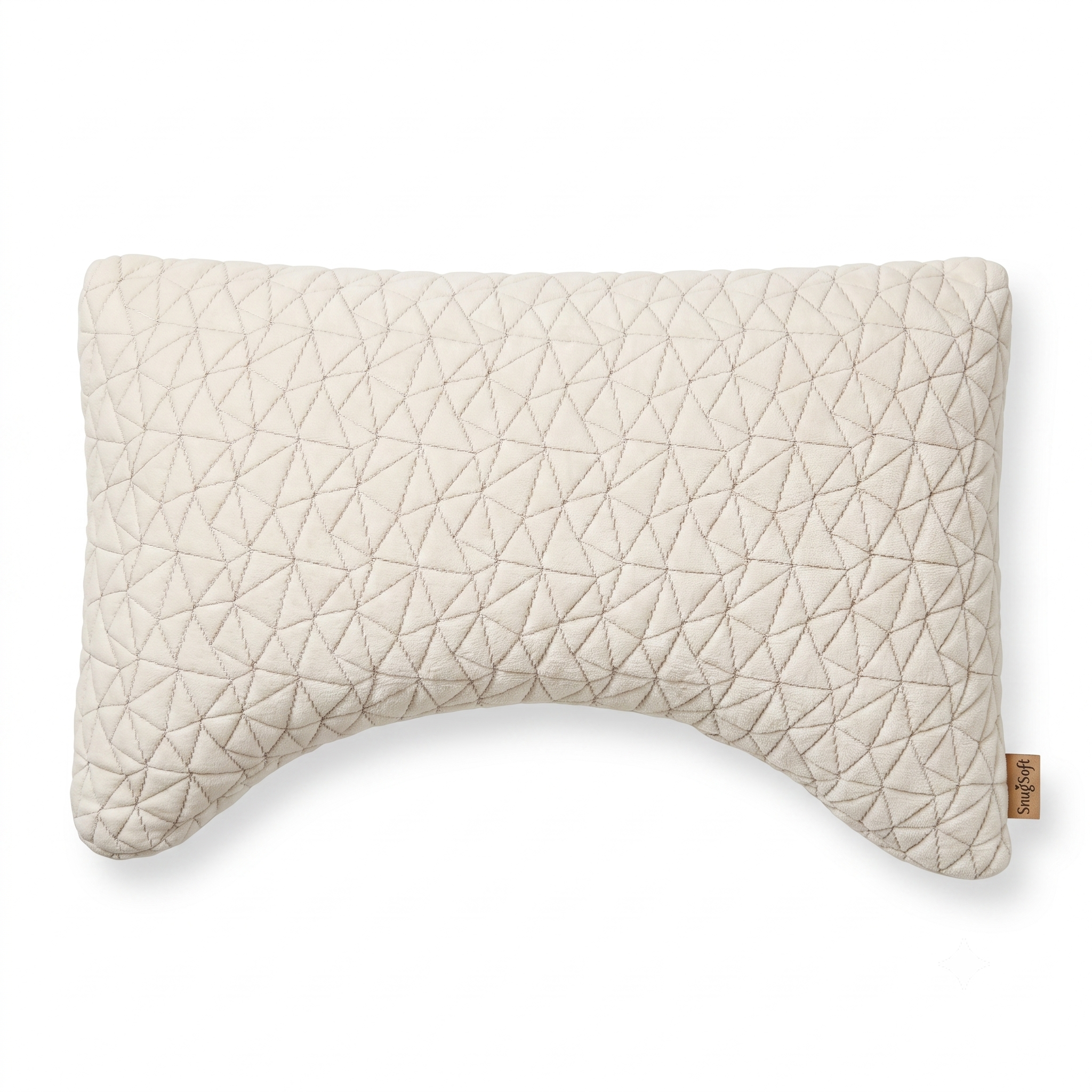
Recently, a client shared a frustrating issue with us: a batch of shredded memory foam pillows from a previous supplier stayed completely flat after unpacking.
Instead of just moving on, our technical team and factory engineers sat down to analyze the root causes. If you are importing roll or vacuum-packed memory foam pillows, here is what usually goes wrong behind the scenes:
🛑 1. The Filler Trap (Calcium Carbonate + High Heat)
To cut costs, some suppliers add excessive talcum powder to the mixture. When exposed to extreme shipping temperatures, the foam’s molecular structure collapses under prolonged vacuum compression.
🛑 2. Rushed Production
Memory foam needs time to “breathe” and fully cure. Vacuum-packing the goods before the internal chemical reactions are stabilized will permanently damage the structure.
Speed kills quality.
🛑 3. Not-So-New Materials
If the raw material isn’t fresh (e.g., aged foam processed through a shredder to look new), its elasticity is already compromised. It simply cannot survive months of vacuum compression.
🛑 4. Skipping FIFO in the Warehouse
When dealing with large volumes, strict First-In, First-Out (FIFO) inventory management is critical. Leaving vacuum-packed foam sitting in a hot warehouse indefinitely will test the physical limits of any material.
The difference between a seamless retail season and a supply chain headache comes down to transparency and strict process control.